Melbourne's weather condition keeps tradespeople truthful. A hot northerly can cook hardwood to a crisp, after that a week later on a southerly buster slams sheets of salt-laced rain across the suburban areas. If you take care of residential or commercial properties from Caroline Springs to Chelsea, you already know what that does to fences. The good news is that the appropriate upkeep strategy makes a real difference. A fencing that sees normal care lasts 5 to ten years longer, holds its form, and keeps costs foreseeable instead of excruciating. As a Melbourne Fencing Company with teams on both sides of the river, we've collected what works in our climate, throughout hardwood, Colorbond, aluminium, steel, and masonry.
Why fencings fail in Melbourne conditions
Materials don't fall short for a single reason. They fall short from moisture biking, UV exposure, ground activity, bad drainage, second-rate fasteners, or disregard. In Bayside, salt air speeds up deterioration on unguarded steel and hardware. In the external north, clay dirts increase and agreement with rains, heaving posts out of plumb over a period or 2. Internal residential areas with tight laneways see repeating influence damage from containers and bikes. As soon as you frame upkeep as an action to these forces, the strategy becomes straightforward: control wetness, block UV, stop deterioration, and keep fasteners and blog posts honest.
Timber fences: make good friends with tarnish and drainage
Timber fits Melbourne streetscapes, particularly the traditional paling fence, yet raw wood or dealt with pine needs a coating that seals end grain and reduces wetness. I've seen fence Brunswick set up fresh in August, grey and monitoring by very early summer season due to the fact that completion grain went bare. End grain beverages water like a straw, which constant wet-dry cycle opens up checks and welcomes rot.
Start with a permeating oil-based tarnish matched to exterior softwood or wood, relying on your palings. Clear discolorations look lovely yet supply the least UV protection. Semi-transparent or light strong discolorations last longer in between layers. The first coat should take place as soon as timber gets to a secure wetness content, typically within a few weeks of setup, then again within the very first year. Afterwards, aim for every 18 to 36 months, adjusting for sun direct exposure. North and west faces melt much faster, so allocate more frequent attention there.
Don't overlook the rail user interface. Where palings overlap rails, moisture can rest caught. If you can, brush a coat into those joints. On new builds, we often precoat the leading 200 millimetres of each paling prior to nailing, simply to obtain coverage under the cap line. It takes extra time, but you can see the difference 3 years later when the leading side remains limited and intact.
Ground clearance issues. Palings cut flush to dirt wick moisture and rot early. Leave a 30 to 50 millimetre space over quality and backfill lightly with well-draining product so leaves and compost do not link the gap. If the garden has to meet the fence aesthetically, use a little recessed yard side that keeps soil from touching timber.
Fasteners and correctings for timber
Cheap bolts compromise excellent hardwood. In coastal suburban areas and any type of place that sees regular rainfall, use hot-dip galvanised or stainless-steel. Electro-galv looks the part on day one, then pits and spots wood within a year or two. Screws give you better life span than nails since they stand up to withdrawal when the rails and palings swell and reduce. If you need to use nails for speed, ring-shank galvanized nails hold far much better than smooth shank.
Every couple of years, stroll the line with a drill vehicle driver, a nail collection, and a handful of substitutes. Search for lifted nails, corrosion hemorrhage, or palings that chatter in the wind. If the fence groans when you lean on it, you have loosened rails or fasteners. Tightening whatever prior to it ends up being a wobble saves a great deal of grief.
Post health and wellness and concrete footings
Posts fall short from rot at the ground line or from footing activity. Dealt with ache messages established into damp clay without sufficient drainage behave like wicks, pulling wetness till rot embed in right where the blog post fulfills air. If you can, use H4 therapy for in-ground timber and take into consideration covering the below-grade section with a permeable article sleeve that loses water while allowing the hardwood to take a breath. Strong post caps lost water and slow rot from the top.
For footing style, Melbourne's clays shift. A 600 millimetre deep hole may be fine for a low, protected boundary, yet a 1.8 metre fence in a wind passage desires 700 to 900 millimetres with a correct bell at the base and a cap that slopes away from the message. The concrete on top should rest a little over surrounding dirt with a chamfer to urge drainage. If your fence line ends up being a seamless gutter after rainfall, you will shed blog posts early.
If the fencing starts to lean, resist the urge to wedge it straight and neglect it. Examine the ground. If the concrete is intact but the soil has changed, you might be able to re-plumb with a brace and a new concrete collar. If the article is soft at ground line, eliminated the section and make use of a repair work spur or steel article support. We do a lot of steel blog post footwear for heritage lanes where complete substitute is difficult.
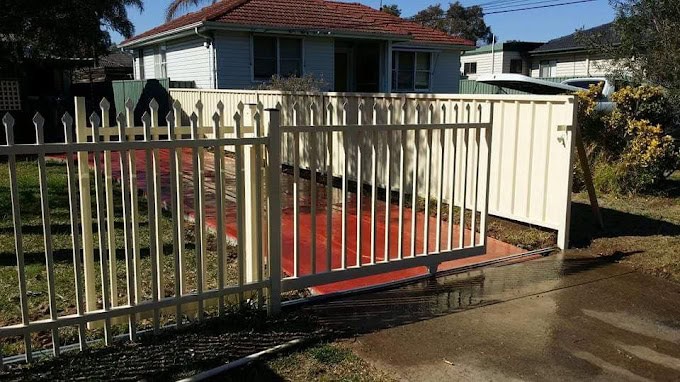
Colorbond and steel panels: keep them clean and unblocked
Colorbond-style steel fence is a Melbourne staple. It disregards UV and does not need paint, yet it still requires a regular. Dust, fallen leave tannins, and airborne salt all rest on the surface area, attracting moisture and gradually scarring the layer. If you not do anything else, rinse panels with a low-pressure tube every 2 to 3 months, regularly within five kilometres of the bay. A soft brush and light cleaning agent eliminate crud without damaging the finish. Prevent abrasive pads and solvent cleansers. If you reduced ivy or bushes, sweep the debris as opposed to allowing it rest and stain.
The base channel and bottom rails accumulate dirt and mulch. I've seen bottom sheets rust too soon due to the fact that somebody loaded yard soil versus them. Maintain a 30 millimetre clearance and maintain the weep holes in channels open. If stormwater leave the fencing line, add a superficial agi-drain or a crushed rock trench to re-route it. The finish shields the steel, but constant immersion beats any kind of finish.
Hardware and panels in high wind
Melbourne sees wind gusts that examine panel fencings, especially on hills and near open reserves. After significant blows, stroll the line and inspect topping, infill sheets, and lattice areas. If you hear rattles, clips or screws may have loosened up. Swap rusted tek screws for stainless where possible. In areas that get hammered, take into consideration including a mid-rail or a wind break in the landscape design to interrupt gusts. Taller fences carry real sail tons. We occasionally update blog post size and ground deepness by one action above minimums on exposed blocks, and it pays off.
If you notice finishing damages from whipper snippers, mount a narrow paver strip or a steel mowing edge along with the fence. Repetitive string trimmer get in touch with ultimately cuts through the paint to bare steel, and deterioration starts there. Touch-up paint helps tiny chips, however it never matches factory surface specifically, so avoidance is better.
Aluminium slats and powder-coated fences: smooth operating and scratch control
Aluminium withstands rust, which makes it a favourite near the shore, but powder layer coatings still need care. Clean quarterly with a pH-neutral cars and truck shampoo and soft sponge. Avoid acid brick cleansers and high-pressure washing machines that can drive water into joints. For sliding gates or slat displays, vacuum cleaner grit from tracks and apply a completely dry silicone spray to rollers and hinges. Prevent oil-based lubricating substances that draw https://fencepros.com.au/ in dust.
Aluminium slat fences count on small fixings. In hot-cold cycles, thermal motion can loosen those screws. A mild check once a year with the best little bit stays clear of removing heads. If you hear a squeak in wind, it is normally a slightly loosened slat or a misaligned brace. Tighten until company, never over-torque, since aluminium strings strip much more easily than steel.
Masonry and provided wall surfaces: water control is everything
Brick and block fences feel undestroyable up until you see an upright fracture telegraming from a footing that relocated a damp winter season. Masonry despises standing water and poor drainage. Maintain leading caps secured, weep openings clear, and garden beds drew back so sprinklers don't fill the wall face. Make hairline cracks are common with temperature swings. Resolve them early with an adaptable outside sealant and repaint with a top quality elastomeric layer. If you can push water away from grounds with a French drain or surface grading, you'll stop most structural issues.
Efflorescence, the white powdery blossom, signals moisture pressing salts via the surface. Brush it off dry, never ever wash it deeper into the render. Discover the water resource: usually a dripping irrigation line or dirt piled versus the wall surface. Take care of the source, allow the wall to dry, after that think about a breathable sealer.
Gates: joints, locks, and alignment
Gates expose upkeep routines quickly. A well-built fence can still bring a drooping gateway that drags throughout paving, chews out joints, and bangs in wind. Wood entrances move with moisture, so big latches and long-throw decrease screws offer you a lot more play prior to things bind. Fit an adjustable joint established from day one. A straightforward quarter-turn on a threaded joint barrel every few months keeps placement true.
For steel and aluminium gates, concentrate on smooth hardware. Stainless or galvanised joints with oil factors last, yet utilize a lithium or marine-grade grease moderately. On powder-coated gates, clean squeeze-out right away so it does not attract dust. If you have automatic openers, service them much like a garage door: examine safety sensing units, clear tracks, tighten up placing screws, and check the hands-on launch throughout power outages.
Seasonal rhythm for Melbourne properties
Most of our household and strata customers follow a straightforward calendar. Early autumn after the heat eases, we do structural checks and touch-ups. Late spring, prior to summer warm and vacation wind patterns, we clean, oil, and seal surfaces that require UV security. After any type of severe weather event, we do a quick walk-around.
Here is a small seasonal checklist that maintains you ahead of damages:
- Autumn: tighten up fasteners, re-plumb small lean, spot finishes, clear growing from fence lines by 150 millimetres. Winter: evaluate water drainage along footings, get rid of fallen leave build-up from base networks, look for water pooling and open up a temporary trench if needed. Spring: deep clean Colorbond and powder coat, re-stain lumber deals with that show grey or checking, oil hinges and rollers, test gateway alignment. Summer: look for fast wood shrinking and nail pop, use a light upkeep layer on high-sun sections, validate that irrigation is not wetting fence bases.
Plants, sprinklers, and the subtle opponents of fences
Climbers like jasmine and star jasmine look charming, but they catch wetness versus timber and steel. If you should have an environment-friendly wall, add a simple cord trellis 25 millimetres off the fencing face so air moves behind vegetation. This space expands the life of the surface by years. Bougainvillea and wisteria include weight and pry slats apart when wind strikes, so restrict their spread or provide a devoted structure.
Irrigation overspray is the silent awesome. Establish lawn sprinkler arcs so water does not strike fencing faces. Drip lines are much better than sprays near borders. A quick change makes more difference than any kind of coating.
Mulch loaded against the fence equates to rot and corrosion. Keep it drew back to leave air space. If family pets dig along the line, strengthen the base with a slim strip of buried mesh or concrete haunching to prevent soil collapse.
Repair decisions: heal, strengthen, or replace
When you locate damages, the most effective fix relies on degree and origin. A couple of decayed palings do not validate a new fence, but a line of leaning articles across reactive clay might. If a timber blog post has local rot at the ground line yet the rest is sound, a steel stimulate bolted to the post and embeded in a new ground extends life five to seven years, frequently longer. If multiple articles show softness, substitute comes to be extra cost-efficient than a patchwork.
For Colorbond, panel dents from influence are usually a single-sheet replacement. If finishing failing appears in multiple places, examine whether garden soil or a destructive environment has invalidated expected service life. In seaside locations, a marine-grade upgrade or aluminium might be the smarter lasting action during replacement.
Masonry fractures much less than 1 millimetre large can usually be routed and loaded with elastic filler. Wider or stepped splits be worthy of a designer's eye, especially if nearby trees rest over footings or if water drainage patterns have transformed with a neighbor's landscaping.
Compliance, neighbors, and shared responsibilities
Boundary fences in Victoria often drop under shared expense regulations, and a lot of next-door neighbors prefer a reasonable conversation to a surprise billing. If you handle a fence with noticeable threat, such as a message leaning toward a public path, record the concern with images and a short note from a Melbourne Fence Company describing threat and recommended action. That maintains interaction clear. For heritage overlays and front fences, check regional planning controls before altering height, products, or design. A quick telephone call saves lengthy delays.
Pool barriers require strict conformity and routine checks. Hinges have to self-close, latch elevations have to remain clear of climb points, and plants can not produce footings. A fencing that began compliant can drift out with a brand-new planter box or a growing hedge.
Budgeting for longevity
A fence is not set-and-forget. Treat it like a roof: little, predictable costs avoid huge, abrupt ones. As a rule of thumb, yearly maintenance needs to sit around 1 to 3 percent of substitute value for lumber and 0.5 to 1.5 percent for steel or aluminium. If a wood border fence costs 6,000 to change, a yearly 60 to 180 bucks of tarnish and fasteners, plus an hour or 2 of work, is money well invested. Every 3 to 4 years, bump that spend for a complete face recoat.
Strata managers that schedule a half-day fence service twice a year hardly ever deal with emergency replacements. The same holds for short-stay residential or commercial properties where wear and tear are higher from travel luggage, bins, and constant gateway use.
When to call a professional
Some jobs are DIY friendly. Others benefit from an experienced eye. If you see considerable lean, constant post motion, indicators of termite activity, or rust that has gotten to architectural participants, bring in a seasoned Fencing Company. A website evaluation from a Fence Company Melbourne teams trust fund ought to consist of dirt observations, water drainage suggestions, and a clear extent with material grades defined. Request fastener types, article sizes, footing midsts, and surface preparation techniques in writing. A Melbourne Fencing Company that works from the Peninsula to the Plenty knows exactly how local microclimates affect those specs.
For layers, painters familiar with outside timber can save you hours. Splashing a fence without securing next-door neighbor gardens or windows invites problem. Specialist staffs utilize low-pressure systems and back-brushing to force oil right into grain, after that clean sides and equipment before the coating cures.
Common mistakes we see, and simple fixes
People commonly trim hedges right up against the fence and leave debris in contact with the surface. A ten-minute cleaning after trimming conserves stains and wetness. An additional regular mistake is setting yard edges with a whipper snipper too near Colorbond. A slim concrete or block mowing strip fixes that permanently.

We likewise see treated yearn rails cut as well short, leaving a void at articles that gathers water and decomposes ends first. Procedure two times and seal cut ends with a therapy chemical. On steel, we find cut sides left raw after on-site trimming. Constantly prime and paint cuts with the maker's approved system. Little lapses turn into huge fixing bills.
Material choices that pay off in Melbourne
If you are planning a brand-new fencing with long life in mind, a few upgrades make life less complicated later on. For hardwood, H3 palings are common, but think about H4 blog posts, stainless screws on coastal blocks, and a capping board that sheds water. For steel, choose panels rated for seaside conditions if you live within a couple of kilometres of the bay. Aluminium slats with high quality powder coat outperform repainted steel near salt air. Stonework requires an appropriate moist course and a breathable surface. These options set you back a little bit more in advance, but they lower maintenance frequency and extend replacement cycles.
An upkeep attitude that sticks
The finest maintenance programs really feel light, not burdensome. Tie fence checks to tasks you already do. When you change watering from wintertime to summertime settings, walk the fence and try to find overspray and merging. When you tidy rain gutters prior to storm period, hose off steel panels and check lower channels. After a week of warm winds, action outside in the evening and pay attention for rattles in the fence line. That rhythm develops routines that maintain fences right, silent, and good-looking.
If you choose to contract out, establish a timetable with a Melbourne Fence Company for semi-annual solution. Request a brief record with photos, a listing of small repairs done instantly, and referrals for anything larger. Owners and managers that keep an easy folder of those reports make faster, better decisions when substitutes or upgrades arrive.
Quick referral: troubles and targeted solutions
- Grey timber with hairline checks: tidy and use a penetrating oil-based stain, prioritise sun-exposed faces, seal end grain. Soil or compost against Colorbond: draw back material, open weep holes, take into consideration a narrow crushed rock strip to preserve clearance. Leaning timber blog post: examination for rot at ground line, re-plumb with a brace and a concrete collar, or fit a steel repair service spur if rot is localized. Powder layer scuffs: wash, then apply manufacturer touch-up on little chips; protect against repeat damage with a paver trimming strip. Gate sagging: readjust threaded joints, tighten fixings, include or line up a diagonal brace, lubricate with dry silicone where appropriate.
The payoff: extra years and less surprises
A well-kept fence does more than mark a boundary. It anchors the look of a home, quiets the backyard on windy days, and shields animals and kids. In Melbourne's variable climate, maintenance is not a chore list, it is an insurance plan you pay in small, manageable installments. A little water redirected from the ground, a handful of stainless screws, a layer of oil before the warmth truly attacks, and you include seasons of service.
If you need help setting up a plan that matches your materials and location, a trusted Melbourne Fencing Company can tailor a schedule and deal with the heavy lifting. With the best routines and a profession companion you count on, a fencing ends up being a long-term property instead of a repeating headache.
